
CDFFoundation · Enterprise Data Convergence Engine
Contextual Data Fusion (CDF)
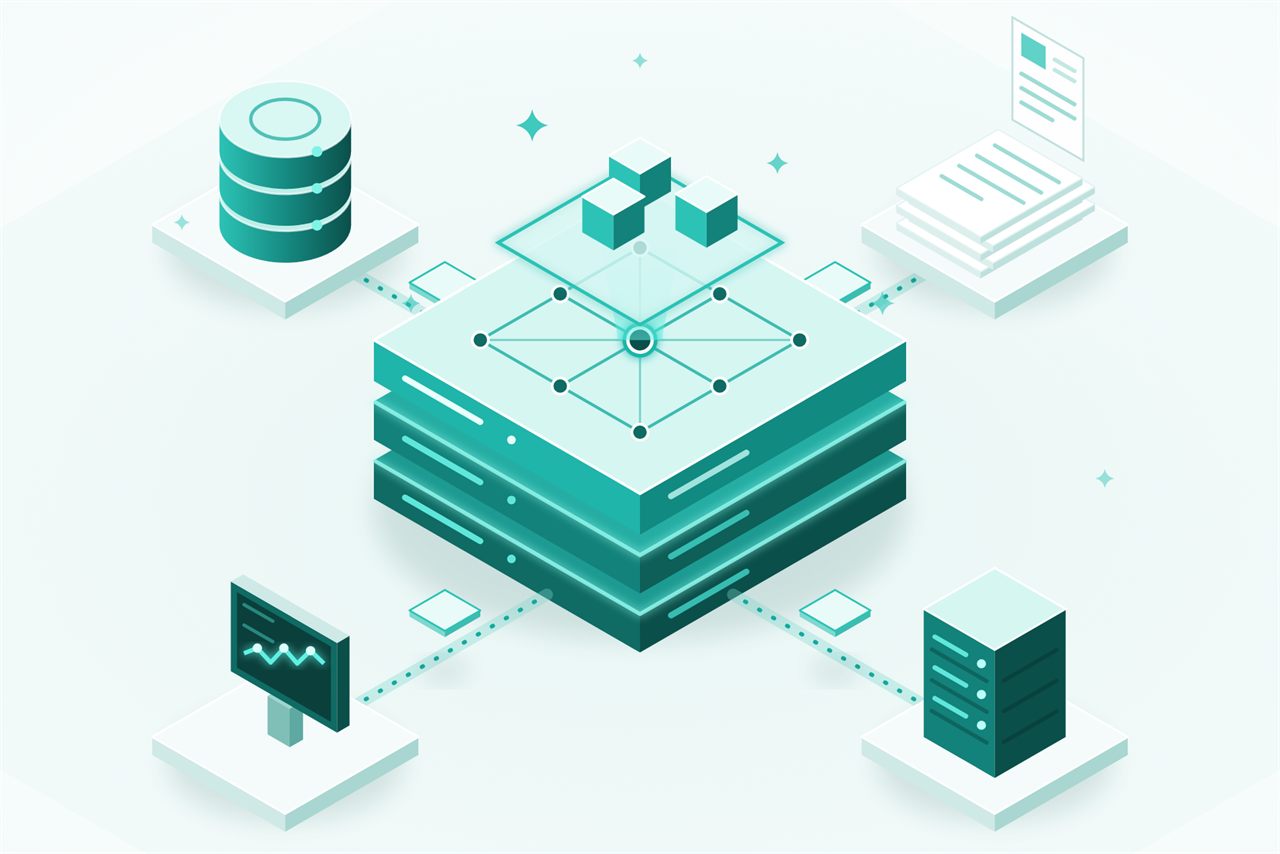
The intelligent data backbone of FOR3NSIQ, unifying and contextualizing enterprise digital solution, operational, engineering and unstructured data into a trusted, reusable data foundation.
01 · What it delivers
What this delivers
6 scope
Faster access to contextualised operational and engineering data
1 common data layer for FOR3NSIQ interfaces, tag mapping and data preparation
Consistent tags, equipment relationships, timestamps, units and asset hierarchies
Prepared data to support dashboards, analytics, metering, reliability and future AI solutions
A governed sandbox where engineers can explore contextualised industrial data, prototype analytics, test calculations and develop their own digital/AI ideas
Shorter data-preparation cycle for new AI/digital use cases
02 · Values
Immediate and longer-term value
CDF delivers immediate value by enabling FOR3NSIQ and longer-term value as a reusable PETRONAS industrial data foundation.
40 to 50%
Potentially less time spent searching and preparing data by engineers
Engineering productivity
Faster access to contextualised operational and engineering data.
30 to 50%
Potentially lower integration effort
Lower integration cost
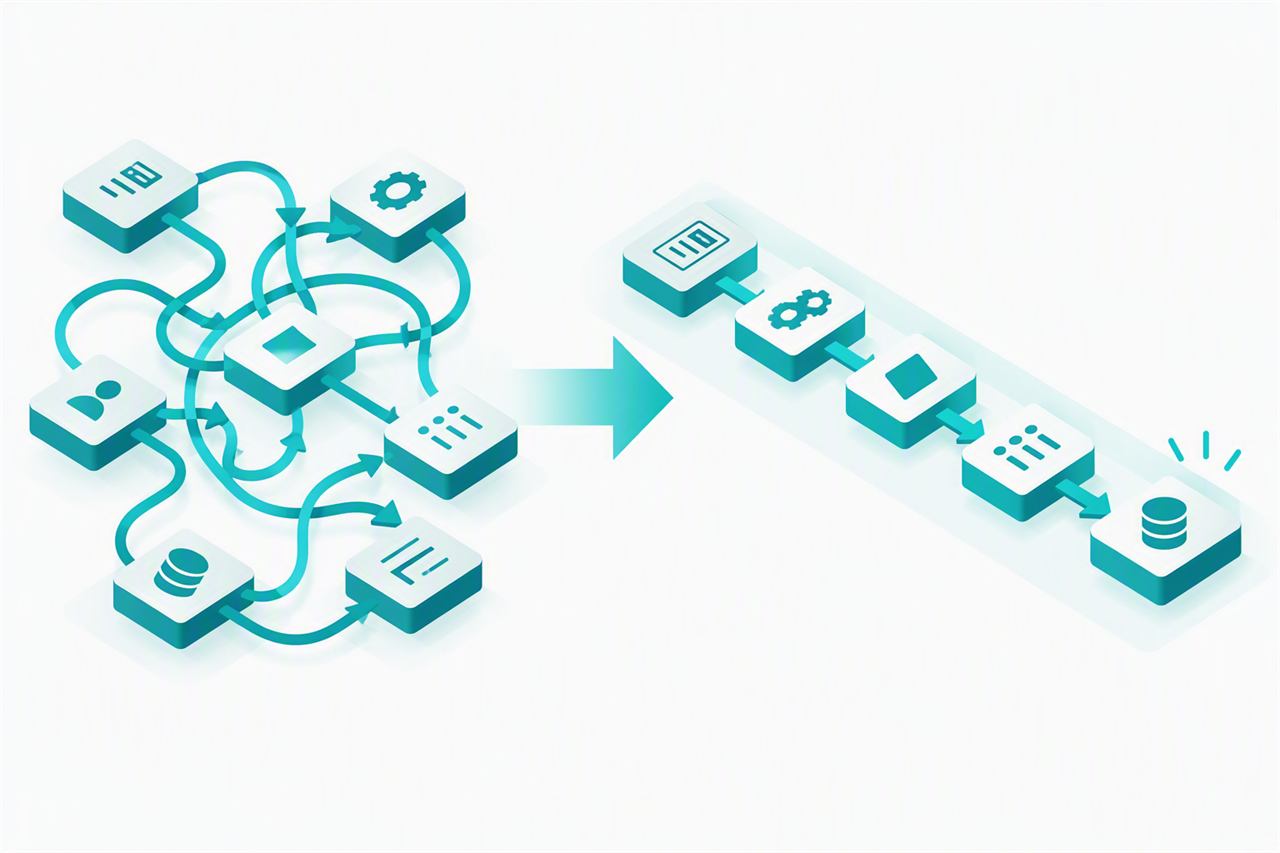
1 common data layer reduces duplicate FOR3NSIQ interfaces, tag mapping and data preparation.
Improved AI data quality
Consistent tags, equipment relationships, timestamps, units and asset hierarchies improve AI input reliability.
Reduces incorrect recommendations and investigation effort.
Reusable data foundation
Prepared data can support dashboards, analytics, metering, reliability and future AI solutions.
Avoids rebuilding the same foundation for each project.
Democratise innovation
Enabling engineers to turn operational ideas into data-driven prototypes without starting from zero
Engineering innovation & self-service
Provides a governed sandbox where engineers can explore contextualised industrial data, prototype analytics, test calculations and develop their own digital/AI ideas without building new data pipelines from scratch.
Faster idea-to-prototype cycle, reduced dependency on external vendors/digital teams, and increased reuse of engineering knowledge and data.
Future AI readiness
Shorter data-preparation cycle for new AI/digital use cases.
Cost saving on work needed for data integration and gathering.