
2B3AProjects 2B and 3A · Asset integrity
Vision Analytics & AI-Driven Asset Integrity
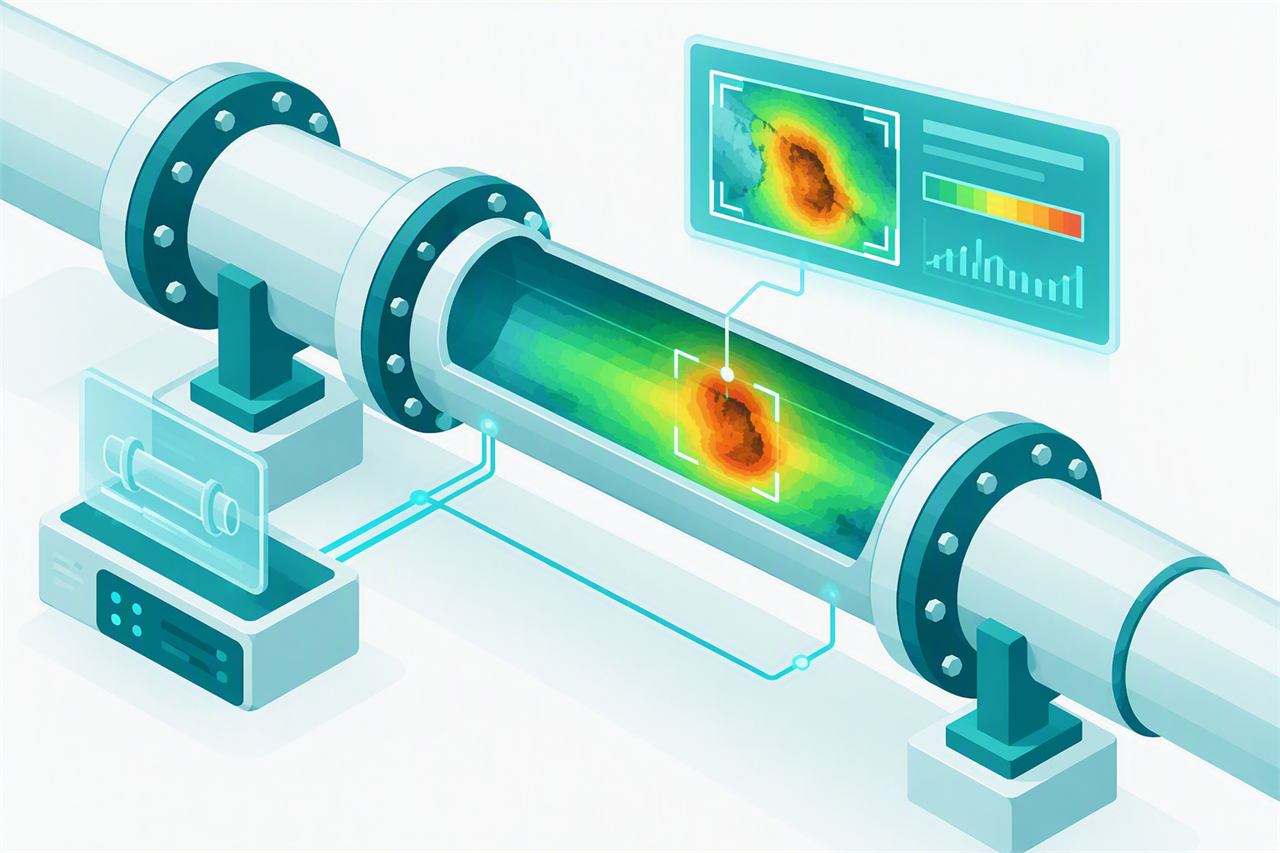
Applies computer vision to inspection images and 360° video to detect anomalies, classify corrosion and standardise inspection reporting. Findings are contextualised to asset data and converted into reviewed recommendations and downstream work inputs.
Combines integrity analytics, corrosion circuitisation and risk-based prioritisation with a governed recommendation-to-work workflow. FOR3NSIQ connects inspection evidence, engineering context, SAP notification, work-pack preparation, readiness and closure.
01 · What it delivers
What this delivers
13 scope
2BVision Analytics
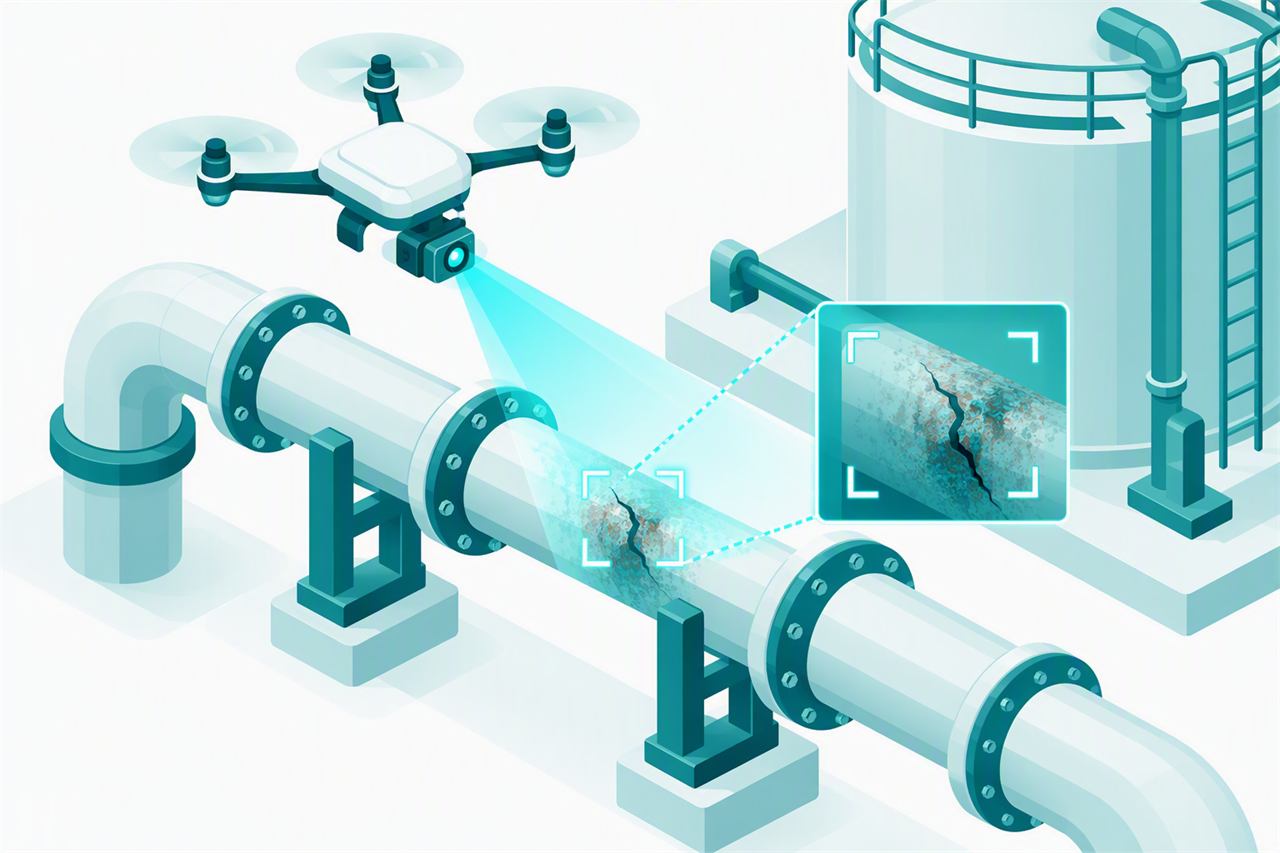
Automatically detect corrosion, coating degradation, cracks and leaks from inspection images and video
Support drones, 360° cameras and handheld inspection devices
Classify anomalies against PETRONAS inspection guidelines and international standards
Auto-generate standardised inspection reports and maintain a central inspection record repository
Offline data capture and AI pre-processing for remote or offshore environments
Phased rollout: starts with Static Equipment, Piping, Structures and Pipelines, then extends to Rotating Equipment, Electrical Systems, Instrumentation and Metering
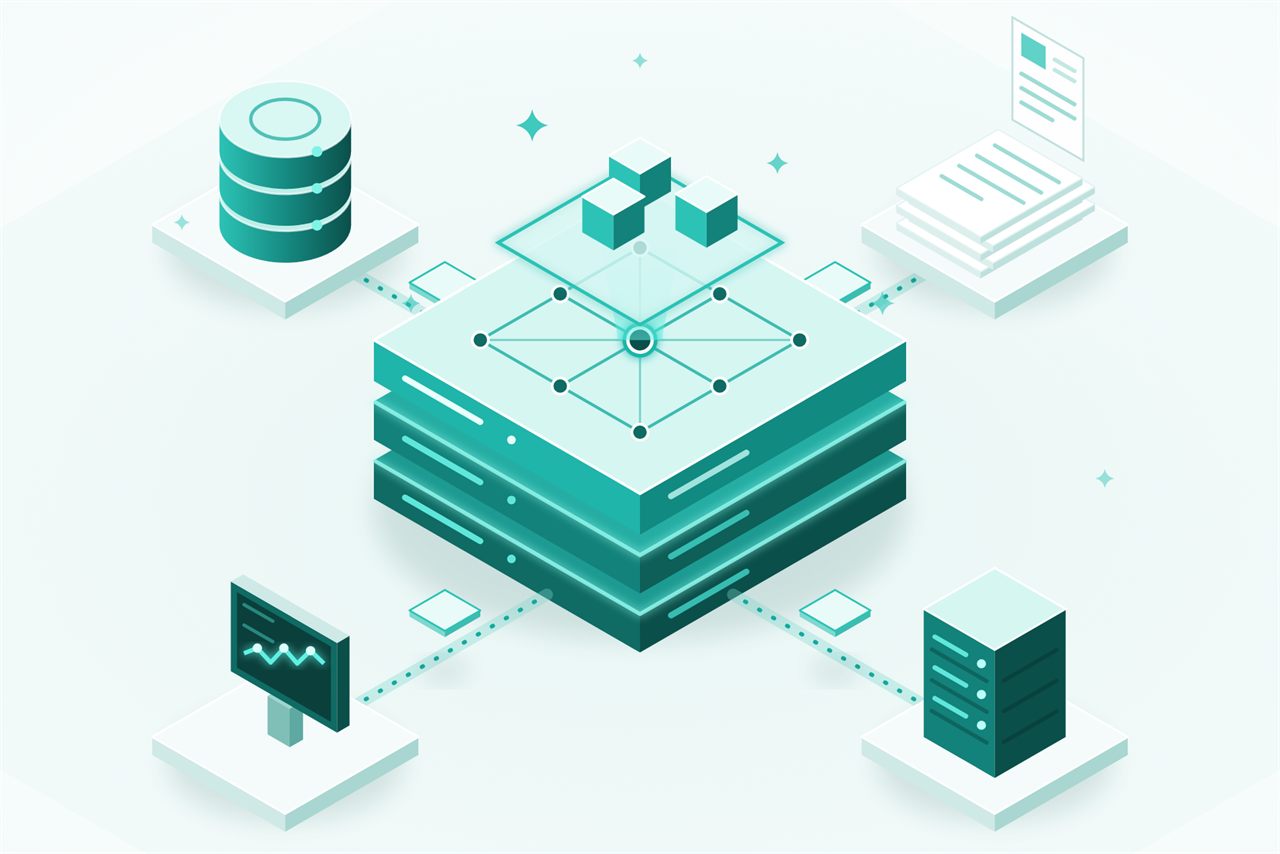
Integrates 10+ existing systems, including PETRONAS Risk Based Inspection (PRBI), IPIMS, SICS, CORIMS, P-EDMS, SAP S/4HANA and LOPC history, into a single coherent view
3AAI-Driven Asset Integrity
Digital inspection workflows from planning through closure
Standardised assessment based on the Asset Integrity Framework (AIF)
Integration with Risk-Based Inspection (RBI) and rectification tracking
Predictive LOPC risk analytics from condition data, alarms and inspection history
Integrated sand monitoring linked to erosion risk and dynamic RBI intervals
Risk-based inspection deployment to reduce repeated mobilisation and site dependency
02 · AI models
5 model families to deliver
- AI-M01
External corrosion visual detection
Automatically identify and classify surface rust and coating degradation from drone, camera, eliminating the need for manual visual inspections on-site.
- AI-M02
Corrosion Rate / Wall-Loss Prediction
Calculates historical corrosion rate and forecasts wall thickness, remaining margin/threshold and inspection timing using validated UT/CML/TML measurements.
- AI-M03
Erosion Rate
Estimates erosion or erosion-corrosion exposure at susceptible locations such as bends, reducers and tees using flow velocity, solids/sand, geometry and material information.
- AI-M04
RUL / Failure Probability
Estimates Remaining Useful Life (RUL) and probability of failure using degradation condition, inspection history and equipment context.
- AI-M05
Integrity Risk Fusion / Prioritization
Combines POF, COF, AIF status, CpCP consequence and evidence quality to rank integrity cases, establish risk bands and determine the required action window.
03 · AI agents
Asset integrity agents · Project 3A
DecisionOps agent catalogue
AI-01 – AI-16 · 16 agentsProject 3A- 01
Integrity Asset & Circuit Contextualisation
Links lines, equipment, segments, circuits and inspection objects into a consistent integrity context.
- 02
Circuit Identification & Boundary
Defines integrity-monitoring circuits and boundaries based on process/service continuity.
- 03
Integrity Data Quality & Reconciliation
Validates inspection, thickness, corrosion and asset-reference data before risk calculations.
- 04
Thickness & Corrosion Trend
Calculates degradation trends and identifies accelerating wall loss.
- 05
Corrosion Mechanism & Susceptibility
Determines plausible corrosion/degradation mechanisms based on material, service and operating conditions.
- 06
RBI Risk Assessment
Updates equipment/circuit integrity risk using probability and consequence evidence.
- 07
Integrity Operating Window (IOW) Monitoring
Detects IOW excursions and relates them to potential integrity/damage exposure.
- 08
Vision Corrosion Detection
Detects visible corrosion/coating damage from inspection imagery.
- 09
Vision-to-Asset / 2D-3D Mapping
Maps visual corrosion findings to the correct line, equipment or integrity segment.
- 10
Sand Ingress Correlation
Detects sand ingress and correlates it with wells/process conditions and integrity exposure.
- 11
Erosion / Sand Exposure Risk
Converts sand/high-velocity evidence into erosion exposure for downstream piping and equipment.
- 12
LOPC / Integrity Anomaly Detection
Identifies emerging integrity conditions that could increase Loss of Primary Containment risk.
- 13
Integrity RCA & Evidence Ranking
Produces and ranks evidence-backed explanations for integrity findings and accelerating degradation.
- 14
Inspection Planning & Recommendation
Converts risk/degradation evidence into inspection location, priority, method and timing recommendations.
- 15
Integrity Action / SAP Notification
Converts approved findings into executable SAP/CMMS follow-up actions.
- 16
Integrity Visualization & Risk Workspace
Presents integrity risks, trends and findings through 2D/3D/circuit views for engineering investigation.
Agent Definition Register
AGN1 – AGN8 · 8 agentsProject 3A only- AGN1
Recommendation intake and case initiation
Register and validate the incoming T.AI recommendation.
- AGN2
Recommendation validation and enrichment
Check the finding and add relevant asset and maintenance context.
- AGN3
SAP PM notification creation
Prepare and submit the SAP PM Maintenance Notification.
- AGN4
Scope and work-pack authoring
Draft the job scope and controlled work pack.
- AGN5
Vendor interaction and tracking
Issue the approved work pack and track vendor correspondence.
- AGN6
Work-pack assurance and pre-execution readiness
Compare the vendor response with the approved scope, then check execution readiness.
- AGN7
Execution and closure assurance
Track execution evidence and prepare technical completion and closure.
- AGN8
Work Order Generation
Convert screened notifications into a correctly typed SAP Work Order.
04 · Values
Reduce LOPC, inspection-to-execution lead time and maintenance cost
More than 30%
LOPC reduction
Reduce LOPC / risk exposure
Potential to reduce Loss of Primary Containment (LOPC) through faster inspection turnaround, broader inspection coverage, and a shorter time from inspection to closure.
More than 50%
Lead-time reduction
Reduce inspection to execution life cycle
Automate and streamline workflows to speed up report preparation, multi-layer review and validation, supported by standardised reporting.
More than 20%
Potential cost savings
Reduce Maintenance Cost
Leverage data driven recommendations to optimise maintenance scope and improve cost efficiency across asset integrity workflows.
Minimum commitments
- Minimum 50% improvement in inspection process efficiency.
- Minimum 30% reduction in Loss of Containment (LOPC) events or LOPC risk exposure, demonstrated through reduction in integrity-related LOPC incidents and/or reduction of high-risk LOPC precursors via earlier detection and proactive inspection intervention.
05 · How it's achieved · LOPC reduction
LOPC / Risk Exposure Reduction
Potential to reduce corrosion related LOPC by >30% through faster inspection turnaround, intelligent anomaly identification and predictive risk monitoring.
78%
Prevent unidentified corrosion related anomaly
Faster turnaround, continuous assessment of external condition of the entire platform, automatically detecting corrosion, coating degradation, leaks and anomalies and classifying findings against PRBI guidelines to ensure early identification of AIF.
6%
Prevent overdue LACD escalations
Continuous monitoring and identifies high risk findings near to overdue closure, enabling timely mitigation actions to prevent progression into LOPC events.
3%
Mitigate P3/4 findings escalating to LOPC
Shorten inspection life cycle to enable broader coverage and increase inspection frequency from 4-5 year to yearly.
06 · How it's achieved · Lead-time reduction
Inspection to Closure Maintenance Management (I2CM)
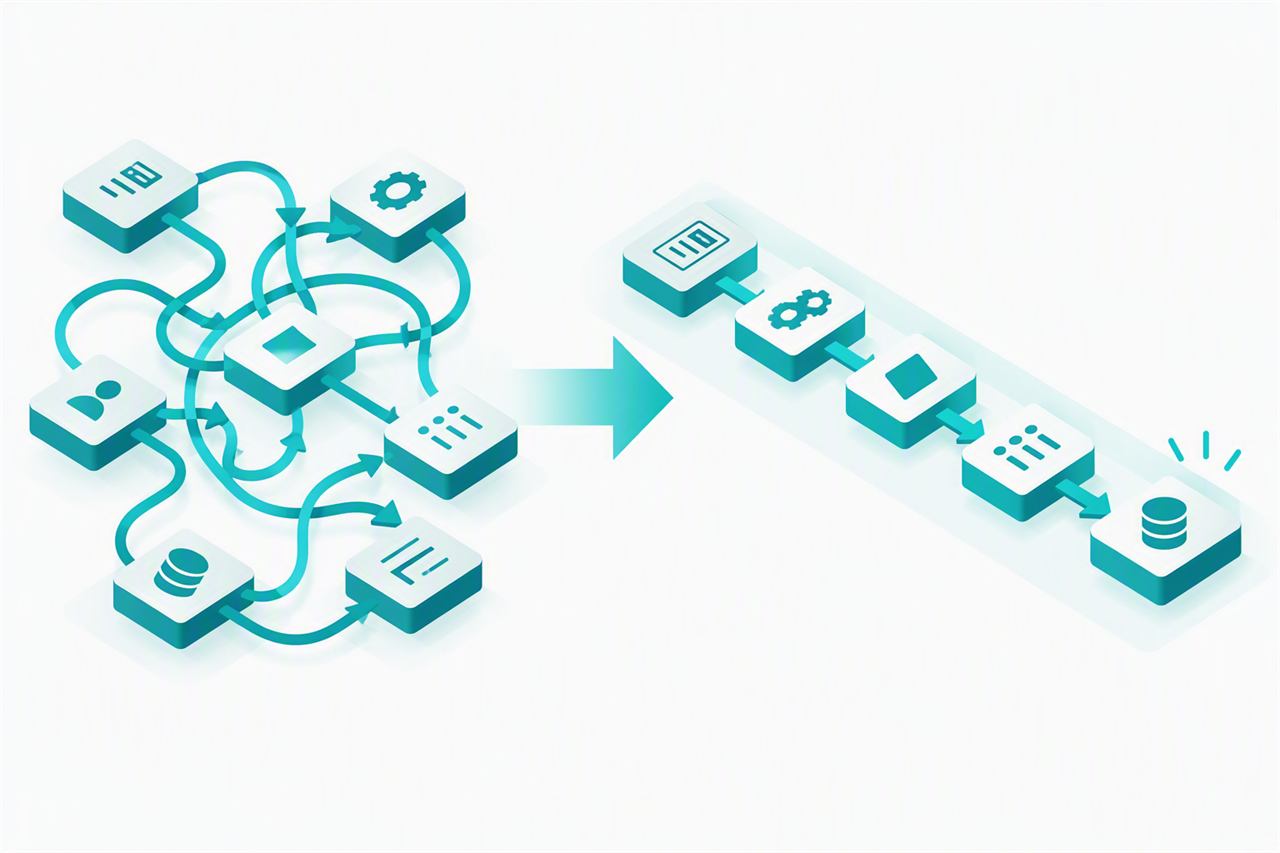
A systemic transformation moving from manual, siloed workflows to an integrated, AI-driven ecosystem will enable faster end-to-end cycle, seamless execution, and timely closure of asset integrity findings.
Current process · 23 processes
30 months
Inspection to SAP notification: avg 3 monthsSAP notification to execution: avg 27 months
To be: Systemic Shifts Initiative · 7 processes
~15 months
Inspection to SAP notification: target avg ~2 weeksSAP notification to execution: target avg ~14 months
Current process
23 processes30 months whole cycle average
Inspection
Inspection reports by discipline
Offline review
5 report reviews
Review
SME findings review and report approval
SAP
SAP notification registration
Offline review
Notification and work order
Planning
Work scoping to execution window
Execution
To be: Systemic Shifts Initiative
7 processes~15 months whole cycle average
Inspection
Integrated inspection
Online review AI
Digital Inspection Reporting Tool with Vision Analytics
SAP
SAP notification / work order registration
Online review AI
Digital Planning Tools for smart Integrated Planning & Scheduling
Campaign execution · Quick Fix execution*
*Enhanced Quick Fix, faster scope identification to cover painting scope, wrapping for accessible area.
07 · Roadmap
MVP 1 and MVP 2
2BVision Analytics
2B · MVP 1
Dec 2026
Pilot model configuration; anomaly and corrosion detection; integration, validation and UAT.
2B · MVP 2
Feb 2027
Rollout to 2 additional sites; training, hypercare, offline capability and handover.
3AAI-Driven Asset Integrity
3A · MVP 1
Jan 2027
Bokor integrity models; circuitisation, integrity mapping, risk prioritisation and recommendation-to-work workflow.
3A · MVP 2
Apr 2027
Scale to KNNAG and 3rd asset; optimised scheduling and integrated work-pack capability.